Case Studies
Independent and academic strategic analyses of real companies — applying frameworks across AI, enterprise software, automotive, payments, and consumer brands.
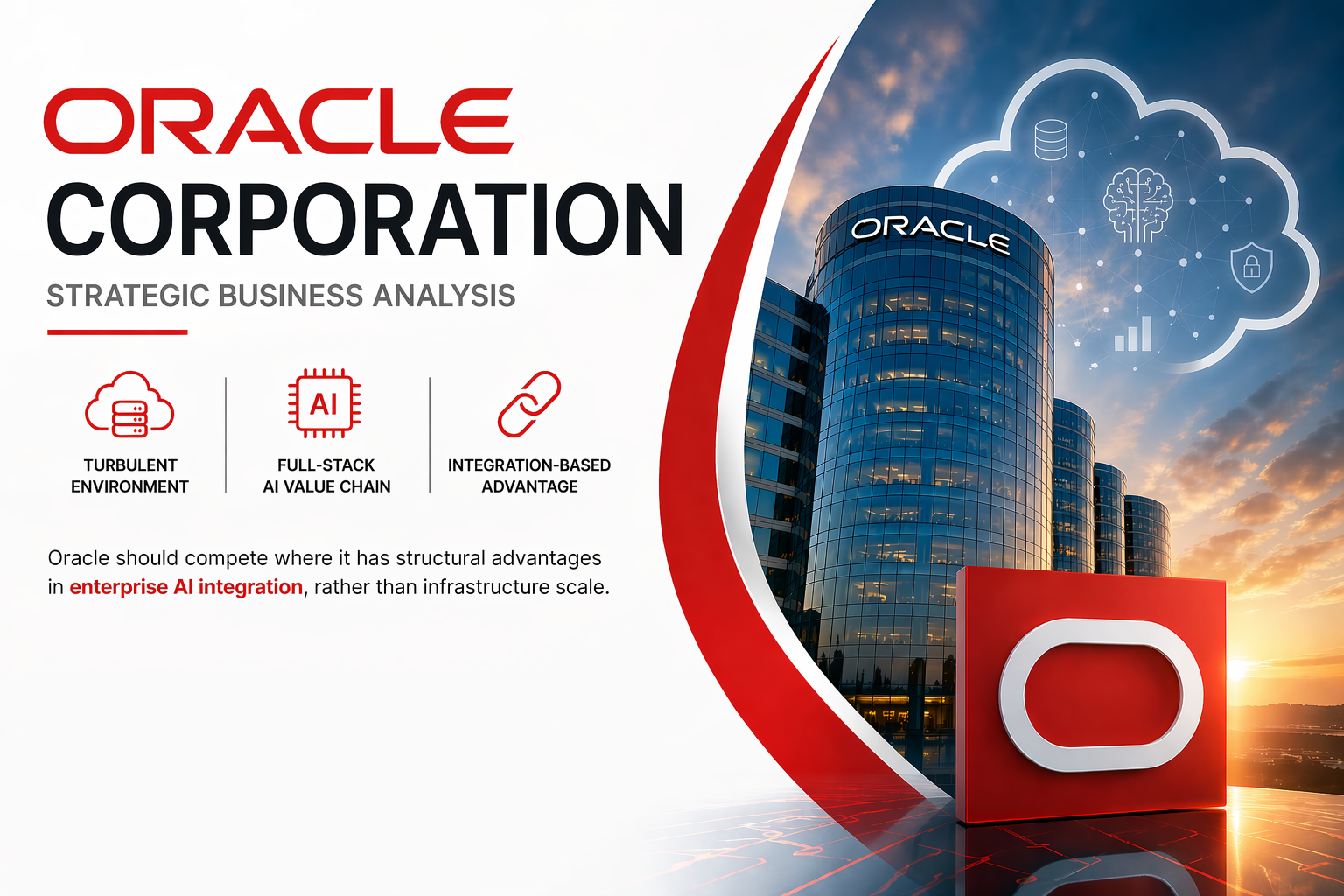
Oracle AI Cloud Strategy
Capstone Strategic Analysis
A graduate-level strategic analysis of Oracle Corporation's transformation from enterprise software incumbent into AI cloud infrastructure competitor. Applies Porter's Five Forces, VRIO, SWOT, TOWS, and Burton's strategic typology to identify where Oracle can credibly win against AWS, Microsoft Azure, and Google Cloud — and where it cannot. The central recommendation: Oracle should not try to out-scale hyperscalers. It should out-integrate them.
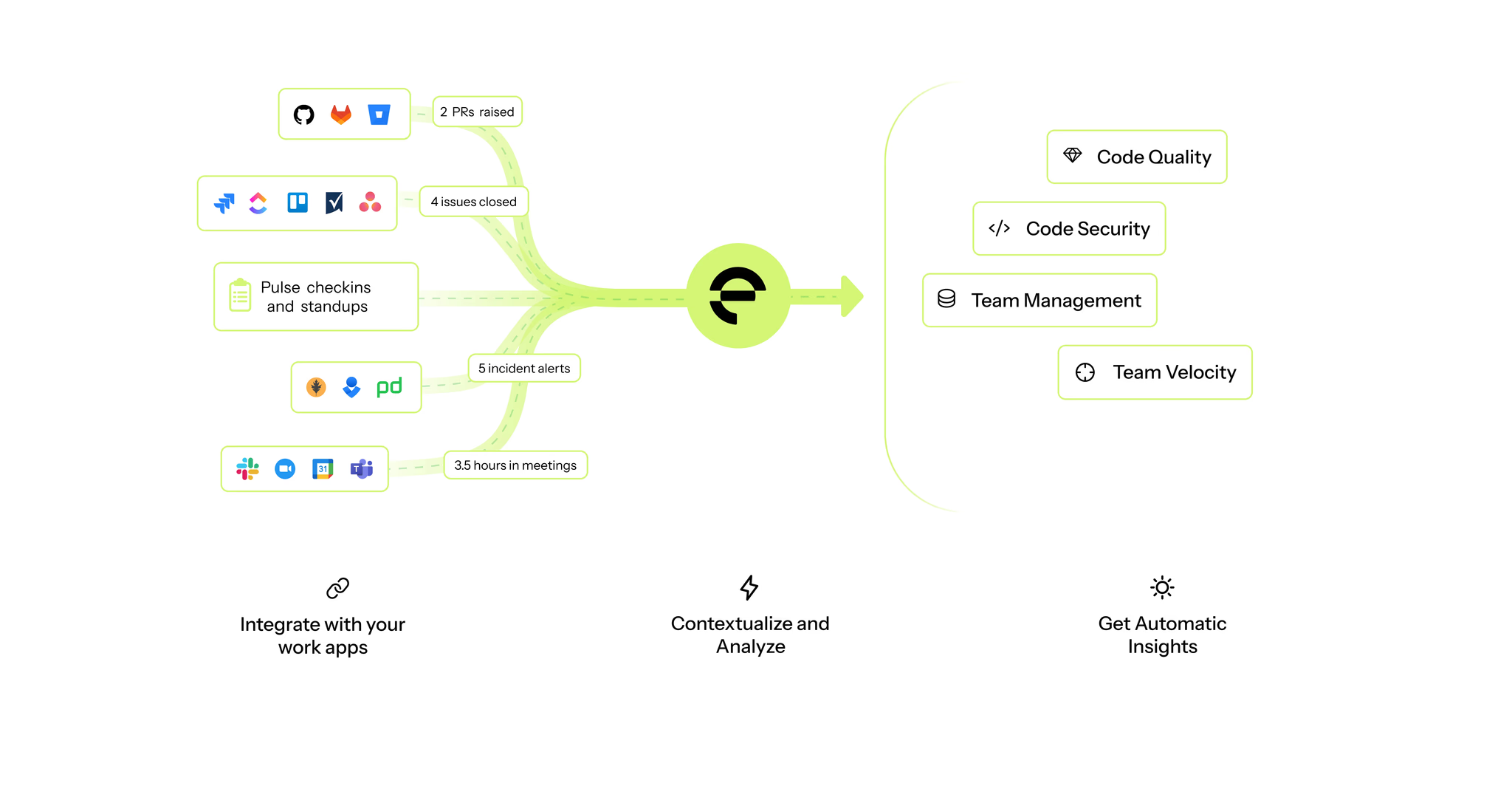
Entelligence AI Strategy
Independent Strategic Analysis
An independent, outside-in strategic analysis of Entelligence AI — a Mayfield-backed engineering intelligence platform building deep code understanding, AI-assisted code review, and organizational insight tooling. The analysis evaluates Entelligence's current state, environmental trends shaping AI-assisted software engineering, and proposes three multi-horizon strategic themes spanning developer flow, agent supervision, and organizational memory.
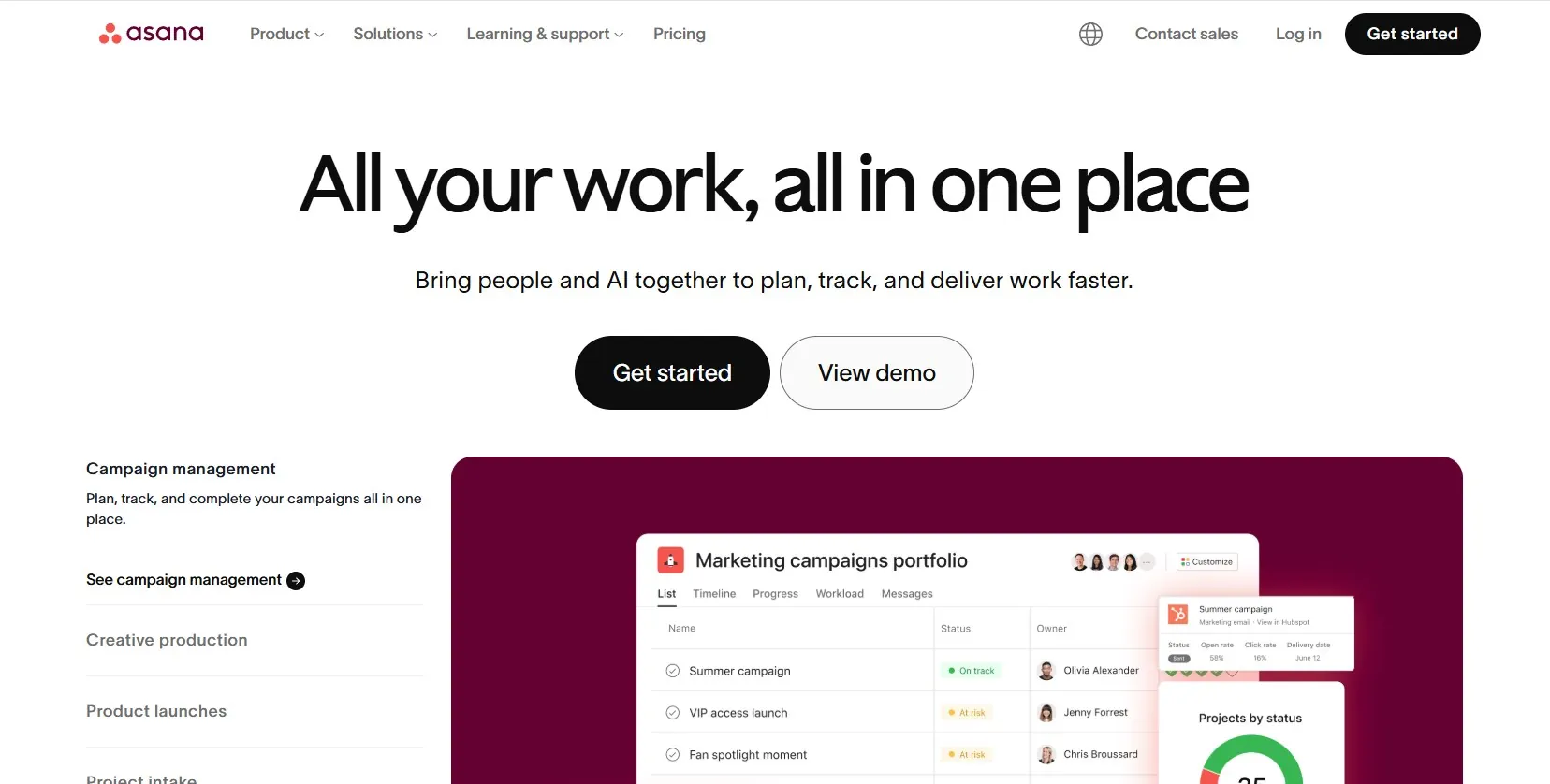
Asana B2B GTM Evolution
From Deal-Size Segmentation to a Journey-Based Sales Model
A B2B go-to-market analysis of Asana's growth trajectory from the 2019 plateau through Oliver Jay's segmentation revamp, evaluating where the existing model still falls short. The recommendation: replace deal-size segmentation with a journey-aligned sales model — Land, Expand, and Explode teams that match the customer's actual progression from individual signup to enterprise commitment. Includes a phased implementation plan, KPI framework, and risk-mitigation playbook.

Hyundai and the EV Tax Credit
Subsidy Mechanics and Strategic Response
An economics-led market analysis of how the U.S. federal EV tax credit shaped the competitive position of the Hyundai Ioniq 5, and how Hyundai's strategic response — a $7.6B U.S. assembly plant and domestic battery partnerships — restored price parity with the Tesla Model Y. The analysis applies demand- and supply-side subsidy theory, price and cross-price elasticity, and Cournot competition, then translates the findings into strategic implications for Hyundai under continued policy uncertainty.
Athletic Brewing Growth Strategy
Sustaining Leadership in Non-Alcoholic Craft Beer
A marketing-strategy analysis of Athletic Brewing, the U.S. non-alcoholic craft beer market leader (61% share, ~$15M revenue at the time of writing). The work evaluates how Athletic should sustain its lead as larger players (Heineken 0.0, Budweiser Zero, O'Doul's) enter the category, applying the 4Ps to recommend a domestic-first strategy built around distribution scale-up, seasonal product depth, online pricing leverage, and grassroots fitness partnerships.